
How to Sleep Better Naturally After 40: The Ultimate Guide

If sleep feels harder than it used to, you are not imagining it. After 40, your body actually changes the way it sleeps. The good news is that most of it is fixable without medication. This guide covers everything you need to know to start sleeping better starting tonight.
This content is for informational purposes only and is not medical advice. Some links on this page may be affiliate links. If you click and buy I may earn a commission at no extra cost to you. I only recommend products I believe are worth considering.
Why Sleep Changes After 40
Sleep does not just get worse on its own. There are real biological reasons behind it.
- Melatonin drops. Your body produces less melatonin as you age. Melatonin is the hormone that tells your brain it is time to sleep. Less of it means it takes longer to fall asleep and easier to wake up.
- Your sleep cycles shift. After 40 you spend less time in deep sleep and more time in lighter sleep stages. That means more waking up during the night.
- Hormones change. For women, perimenopause and menopause bring hot flashes and night sweats that disrupt sleep. For men, lower testosterone can affect sleep quality and cause more restlessness.
- Stress and a busy mind. By your 40s life tends to carry more responsibility. Work, family, finances. A racing mind at bedtime is one of the most common sleep complaints in this age group.
- Pain and discomfort. Aches in your back, hips, knees, or shoulders can wake you up or make it hard to get comfortable in the first place.
Understanding why it happens makes it easier to fix. Let’s go through each solution.
Build a Consistent Sleep Schedule
This is the single most important thing you can do. Your body runs on a 24-hour internal clock called your circadian rhythm. When your sleep and wake times are all over the place, that clock gets confused and sleep suffers.
- Go to bed at the same time every night including weekends.
- Wake up at the same time every morning even if you slept poorly.
- Give yourself at least 7 to 8 hours between your bedtime and your alarm.
It takes about 2 weeks of consistency before you really feel the difference. Stick with it.
The 3-2-1 Evening Routine
If you want a simple system to wind down at night, try this countdown starting 3 hours before bed.
- 3 Hours Before Bed: Finish your last meal. Eating late can cause acid reflux and blood sugar swings that disrupt sleep.
- 2 Hours Before Bed: Stop all work. Close the laptop. Silence work notifications. Let your brain shift out of problem-solving mode.
- 1 Hour Before Bed: Put the phone down. Blue light from screens suppresses melatonin production and keeps your brain alert when it should be winding down.
Fix Your Sleep Environment
Your bedroom should be set up for sleep and nothing else. Here is what matters most.
Keep It Cool
Your body temperature needs to drop slightly to fall into deep sleep. A room that is too warm keeps you in lighter sleep stages and wakes you up more often.
- Aim for a bedroom temperature between 60°F and 68°F.
- Use a fan if you do not have AC. The white noise also helps.
- Try a warm shower about an hour before bed. It sounds backwards but it actually pulls heat to your skin surface and drops your core temperature when you get out.
Make It Dark
- Use blackout curtains if any light comes in from outside.
- Cover any LED indicator lights in your room. Even small lights can disrupt sleep.
- If you get up in the night, avoid turning on bright lights. Use a dim nightlight if you need one.
Make It Quiet
- Use a white noise machine or a simple fan to cover outside sounds.
- Earplugs work well if your partner snores or you live in a noisy area.
Check Your Pillow and Mattress
Waking up with a sore neck or back is often a pillow or mattress problem. After 40 your joints need more support than they used to.
- Side sleepers need a firmer, higher pillow to keep the spine aligned.
- Back sleepers do better with a medium pillow and sometimes a pillow under the knees.
- If your mattress is more than 7 to 8 years old and you wake up sore, it may be time to replace it.
Related: Best Pillows for Neck and Shoulder Pain
Manage Light the Right Way
Light is the main signal your body uses to set its internal clock. Getting this right makes a big difference.
- Morning light: Get 10 to 15 minutes of natural sunlight within an hour of waking up. This sets your melatonin timer for later that night. Even sitting by a window helps.
- Evening light: After sunset switch to low warm lighting. Lamps instead of overhead lights. This tells your brain the day is winding down.
- Screen light: If you use your phone or TV in the evening turn on night mode or blue light filter settings. Better yet put the phone in another room an hour before bed.
Natural Sleep Supplements Worth Trying
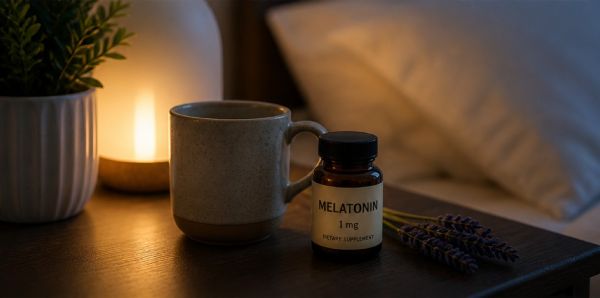
Supplements are not magic but some of them do help. Here is a straightforward breakdown of what works and what it is best for.
| Supplement | Best For | How It Works |
| Magnesium Glycinate | Muscle tension and anxiety | Relaxes the body and calms the nervous system. |
| Chamomile / Apigenin | Falling asleep faster | Binds to receptors in the brain that promote relaxation. |
| L-Theanine | Quieting a racing mind | An amino acid found in green tea that reduces stress without sedation. |
| Tart Cherry Juice | Melatonin support | One of the few natural food sources of melatonin and tryptophan. |
| Melatonin (low dose) | Falling asleep at the right time | Start with 0.5mg to 1mg. More is not better with melatonin. |
Caffeine note: Cut off caffeine by noon. Caffeine has a half life of around 5 to 6 hours. An afternoon coffee can still be affecting your sleep at midnight.
Always check with your doctor before starting any supplement especially if you take other medications.
Daytime Habits That Affect Night Sleep
What you do during the day matters as much as your bedtime routine.
- Move your body. Regular walking or light exercise improves sleep quality significantly. Even 20 to 30 minutes of walking a day makes a difference. Just avoid intense exercise within 2 hours of bedtime.
- Watch your alcohol. Alcohol may help you fall asleep but it disrupts the second half of your sleep cycle and reduces deep sleep. You wake up more often and feel less rested.
- Limit long naps. Short naps of 20 minutes are fine. Long naps in the afternoon can make it harder to fall asleep at night and throw off your schedule.
- Manage stress. Stress and anxiety are two of the biggest causes of poor sleep after 40. A short evening walk, journaling, or even 5 minutes of deep breathing before bed can help settle a busy mind.
Related: How to Stay Active After 40 Without Overdoing It
Common Sleep Mistakes to Avoid
- Watching the clock. Checking the time when you wake up in the night makes anxiety worse. Turn your clock away or put your phone face down.
- Lying in bed awake for hours. If you have been awake for more than 20 minutes get up and do something quiet in dim light. Come back when you feel sleepy. Lying there frustrated trains your brain to associate bed with wakefulness.
- Sleeping in on weekends. It feels good but it shifts your sleep schedule and makes Monday night harder. Try to stay within an hour of your normal wake time on weekends.
- Using your bed for work or TV. Your brain needs to associate your bed with sleep only. Keep work, phones, and TV out of the bedroom if you can.
When to Talk to a Doctor
Most sleep issues after 40 improve with the habits above. But some situations need professional attention.
- You snore loudly or wake up gasping. This may be sleep apnea which needs a proper diagnosis.
- You have tried consistent habits for 4 to 6 weeks with no improvement.
- You feel exhausted during the day no matter how much you sleep.
- Your legs feel restless or uncomfortable at night. This can be restless leg syndrome.
Do not ignore ongoing sleep problems. Poor sleep over time is linked to higher risk of heart disease, diabetes, and cognitive decline. It is worth getting checked out.
Start With One Thing
You do not have to do all of this at once. Pick one change and try it for 7 days.
- Set a consistent wake time and stick to it for a week.
- Try the 3-2-1 routine tonight.
- Cool your room down to under 68°F before bed.
Small changes stack up. One good habit leads to another and before long your sleep looks completely different.
Related Articles
- Why You Wake Up Stiff and What to Do About It
- How to Build a Simple Bedtime Routine
- Best Pillows for Neck and Shoulder Pain
- 7 Small Habits That Help You Age Better
This content is for informational purposes only and is not medical advice. Some links on this page may be affiliate links. If you click and buy I may earn a commission at no extra cost to you. As an Amazon Associate I earn from qualifying purchases. I only recommend products I believe are worth considering.