
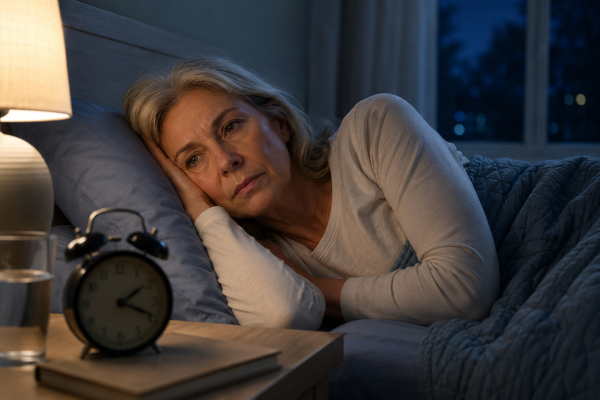
Sleep changes as you age, and for many adults the shift becomes especially noticeable after 50. If you are sleeping fewer hours, waking up more often, or feeling less rested, you are not imagining it. Hormonal shifts, changing circadian rhythms, higher rates of sleep apnea, joint pain, medication side effects, and increased stress all play a role. This guide explains why sleep often worsens after 50, what is normal versus what may need attention, and practical ways to protect your rest.
Sleep Does Change After 50
Sleep often becomes lighter and more fragmented after 50. Deep sleep declines, nighttime awakenings increase, and conditions such as sleep apnea and arthritis become more common. While some changes are normal, consistently poor sleep is not inevitable. Small adjustments to schedule, environment, and habits can make a meaningful difference.
What Normal Sleep Changes Look Like After 50
As you age, your body produces less melatonin, the hormone that signals sleep. You may also spend less time in deep sleep and more time in lighter stages, making it easier to wake up from noise, discomfort, or bathroom trips. Earlier wake times and lighter sleep are common and not necessarily a sign of poor health on their own.
Other normal shifts include reduced sleep efficiency, meaning you spend a larger percentage of time in bed actually awake. Older adults also tend to nap more during the day, which can further shorten nighttime sleep. Understanding these changes can help you stop fighting normal aging and focus on what you can improve.
Common Reasons Sleep Gets Worse After 50
Beyond normal aging, several factors can make sleep noticeably worse in your 50s and beyond.
Hormonal shifts
For women, perimenopause and menopause bring hot flashes, night sweats, and fluctuating estrogen and progesterone, all of which can disrupt sleep. For men, declining testosterone can reduce sleep quality and increase fatigue. Hormonal changes are one of the most underrecognized contributors to sleep problems after 50.
Sleep apnea and breathing issues
Sleep apnea becomes far more common after 50. Weight gain, changes in airway tissue, and decreased muscle tone in the throat can all contribute. Many people with sleep apnea do not realize they have it because the breathing pauses happen silently. Loud snoring, gasping at night, and daytime sleepiness are worth discussing with a healthcare provider.
Joint pain and mobility issues
Arthritis, bursitis, and general stiffness often worsen at night, making it harder to fall asleep or causing awakenings. Pain and sleep have a two-way relationship: poor sleep increases pain sensitivity, and pain disrupts sleep. Breaking this cycle often requires treating both sides. For more on the connection, see Can Lack of Sleep Make Joint Pain Worse? and Morning Stiffness vs Arthritis: What\u2019s the Difference?.
Medications and health conditions
Many common medications taken after 50 — including blood pressure drugs, antidepressants, steroids, and some pain relievers — can interfere with sleep. Chronic conditions such as heart disease, diabetes, thyroid disorders, and anxiety can also disrupt rest. If you started a new medication around the same time your sleep worsened, talk to your prescriber about timing or alternatives.
Stress, anxiety, and life transitions
Your 50s can bring major life changes: caregiving for aging parents, career shifts, empty nesting, or health scares. Stress raises cortisol, which interferes with deep sleep and can trigger racing thoughts at bedtime. Learning to manage stress is one of the most impactful things you can do for sleep after 50. For strategies, see Why Is My Mind Racing When I Try to Sleep?.
How to Protect Your Sleep After 50
You cannot stop aging, but you can create conditions that support better sleep. Here are practical, evidence-informed strategies.
1. Keep a consistent sleep schedule
Going to bed and waking up at the same time each day stabilizes your circadian rhythm. Over time, this improves sleep efficiency and reduces nighttime awakenings. Stick to your schedule even on weekends.
2. Optimize your sleep environment
Cool, dark, and quiet works for most people. Use blackout curtains, a white noise machine, and keep the thermostat between 60 and 67 degrees. Make sure your mattress and pillow support your joints and spine.
3. Limit screen time before bed
Blue light from phones, tablets, and TVs suppresses melatonin. Avoid screens for at least 60 minutes before sleep, or use blue light filters. Instead, read, stretch, or practice deep breathing.
4. Watch caffeine and alcohol timing
Caffeine stays in your system for hours. Avoid it after 2 PM. Alcohol may help you fall asleep but disrupts deep sleep later. Limit evening alcohol, especially if you wake up tired.
5. Get morning sunlight
Natural light in the morning sets your internal clock, helping you fall asleep more easily at night. Open the curtains immediately after waking or step outside for a few minutes.
6. Address pain proactively
If joint pain or stiffness wakes you up, address it before bed. Gentle stretching, a warm shower, or a supportive pillow can reduce nighttime discomfort. For routine ideas, see Simple Morning Stretches for Tight Joints.
7. Review medications with your doctor
If sleep worsened after starting a new medication, ask your provider whether timing, dosage, or an alternative might help. Never stop or adjust medication on your own.
When to See a Doctor
See a healthcare provider if sleep problems persist for more than a few weeks, are accompanied by loud snoring, gasping at night, or severe daytime sleepiness. A sleep study can rule out sleep apnea, and a medication review can identify hidden disruptors. Treating underlying issues often improves sleep faster than sleep hacks alone.
Frequently Asked Questions
Why is my sleep worse after age 50?
Hormonal changes, reduced melatonin, increased sleep apnea, joint pain, medications, and stress all contribute to lighter, more fragmented sleep after 50.
Is it normal to sleep less after 50?
Sleep needs remain about 7 to 8 hours for most adults. Sleeping less does not have to be normal — poor sleep quality, not less need, is the usual driver.
Can sleep apnea start at 50?
Yes. Sleep apnea risk increases with age, weight changes, and reduced muscle tone in the airway. It often goes undiagnosed for years.
How can I improve deep sleep after 50?
Stick to a consistent schedule, keep your room cool and dark, avoid alcohol and caffeine in the evening, get morning sunlight, and address pain or stress that may be waking you.
Does menopause affect sleep after 50?
Yes. Hot flashes, night sweats, and hormonal fluctuations during perimenopause and menopause are major disruptors of sleep for many women.
Links to Explore
For more guidance on sleep after 40 and 50, explore these related articles on HealthWellnessWay.com.