
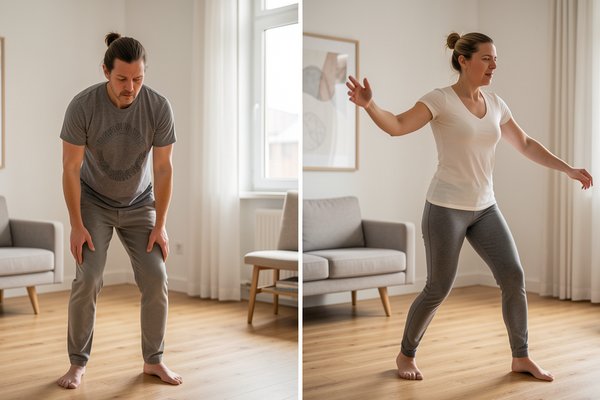
If you wake up feeling stiff, achy, or slowed down in the morning, you may wonder whether it is normal aging or something more serious. The line between morning stiffness vs arthritis can be blurry, because both can leave joints feeling tight, sore, or difficult to move. Morning stiffness is a common complaint, especially after age 40, and it does not always signal arthritis. However, persistent, severe, or long-lasting stiffness can be an early warning sign of an underlying joint condition. This guide clarifies the difference between routine morning stiffness and arthritis-related symptoms, helps you recognize the warning signs, and outlines practical ways to protect your joints.
Quick Answer: Morning Stiffness vs Arthritis
Morning stiffness is a common sensation that often improves within thirty minutes of getting moving. Arthritis-related stiffness, especially inflammatory arthritis, tends to last longer, feel deeper, and may be accompanied by swelling, warmth, or pain that worsens over time. Understanding how long stiffness lasts, where it occurs, and what helps it can tell you whether it is likely ordinary morning stiffness or a sign that it is time to consult a healthcare provider.
What Causes Morning Stiffness
Morning stiffness can arise from a range of everyday factors, many of which are related to posture, movement habits, or the natural changes that come with aging. Identifying the trigger is the first step toward knowing whether it is benign or worth further evaluation.
Common everyday causes
During sleep, joints naturally settle into positions that can reduce synovial fluid movement and allow soft tissues to tighten slightly. When you wake up and begin moving, fluid circulates again and tissues warm up, which usually eases the stiffness within minutes. Inactivity during the day, particularly after sitting for long periods, can produce a similar effect. Tight muscles, dehydration, or sleeping in an awkward position can also make mornings feel slower.
Age-related joint changes
As we get older, cartilage in joints naturally thins and loses some of its cushioning ability. Tendons and ligaments also become less elastic. These changes do not automatically mean arthritis, but they can make joints feel stiffer, especially after long periods of rest. This type of morning stiffness is often mild and improves quickly with gentle movement.
Osteoarthritis vs Rheumatoid Arthritis
Two of the most common forms of arthritis associated with morning stiffness are osteoarthritis and rheumatoid arthritis. While both can cause joint discomfort, the pattern, duration, and accompanying symptoms differ.
Osteoarthritis
Osteoarthritis is a degenerative joint disease that develops gradually as cartilage wears down over time. Morning stiffness from osteoarthritis is typically brief, often lasting less than thirty minutes, and tends to improve as you start moving. The knees, hips, hands, and lower back are commonly affected. Pain may worsen later in the day after activity or prolonged bearing weight.
Rheumatoid arthritis
Rheumatoid arthritis is an autoimmune condition in which the immune system attacks the lining of the joints. Morning stiffness from rheumatoid arthritis is usually more prolonged, often lasting an hour or longer. It frequently affects smaller joints such as the fingers and wrists, and it is often symmetrical, meaning both sides of the body are affected. Swelling, warmth, and fatigue are more common than in osteoarthritis.
How Long Should Stiffness Last
Duration is one of the most useful clues when comparing morning stiffness vs arthritis-related causes. Normal morning stiffness from inactivity or aging usually subsides within fifteen to thirty minutes after getting out of bed or after a warm shower. If stiffness lasts longer than that, especially beyond one hour, it may suggest inflammatory arthritis or another underlying condition.
Track how long your stiffness lasts each morning and whether movement helps or worsens it. A journal shared with your healthcare provider can provide valuable context for diagnosis.
When Stiffness Is Normal
Occasional morning stiffness is very common and often harmless. It is more likely to be normal when it is mild, short-lived, and does not get progressively worse over weeks or months. Normal stiffness may be triggered by physical exertion the day before, sleeping in a cool room, or changing your usual activity level.
Factors that make morning stiffness more likely include sedentary habits, poor sleep posture, dehydration, or a mattress that does not support your joints. In these cases, small changes such as gentle morning stretching, staying hydrated, adjusting your pillow or mattress, and moving regularly during the day often reduce stiffness quickly.
Warning Signs That Require Medical Attention
While many cases of morning stiffness are manageable with lifestyle adjustments, certain patterns should prompt a visit to a healthcare provider. Warning signs include stiffness that lasts longer than one hour, swelling around a joint, warmth or redness over the joint, difficulty performing normal daily activities, and stiffness that gets worse rather than better over time.
Other red flags include morning stiffness accompanied by unexplained fatigue, fever, weight loss, or rash. If you have a family history of autoimmune disease and notice persistent joint symptoms, it is especially worth getting an evaluation. Early diagnosis of inflammatory arthritis can make a meaningful difference in long-term joint outcomes.
Lifestyle Causes of Morning Stiffness
Even if you do not have arthritis, certain lifestyle habits can worsen morning stiffness. Understanding these factors can help you make targeted changes that reduce joint discomfort.
Sedentary behavior
Sitting for long periods, especially with poor posture, reduces circulation to joints and surrounding muscles. It also weakens the stabilizer muscles that support alignment. Incorporating short movement breaks throughout the day can keep joints lubricated and reduce the severity of morning stiffness.
Poor sleep support
An unsupportive mattress or pillow can leave joints twisted or under pressure overnight, increasing morning achiness. Medium-firm mattresses and pillows that maintain neutral spine alignment tend to work best for joint comfort. If your mattress is old or causes you to wake up sore, consider upgrading it.
Dehydration and diet
Synovial fluid, the lubricant inside joints, depends on adequate hydration. Dehydration can make cartilage less resilient and increase friction during movement. A diet high in processed foods, sugar, and unhealthy fats may also promote low-grade inflammation, which can make morning stiffness worse over time. Focus on anti-inflammatory foods such as leafy greens, fatty fish, berries, nuts, and olive oil, and maintain consistent water intake throughout the day.
Stress and tension
Stress travels into the body as muscle tension, often settling in the neck, shoulders, and lower back. Sleeping while tense or anxious can increase morning joint stiffness. Practices such as gentle evening stretching, deep breathing, or progressive muscle relaxation before bed may reduce overnight tension and improve morning mobility.
Treatment Options
Treatment for morning stiffness depends on whether it is simple inactivity-related discomfort or a symptom of an underlying condition. Many people find relief with a combination of movement, heat, and lifestyle adjustments. Others may need medical therapies, especially if stiffness is linked to arthritis.
Gentle morning movement
Starting the day with gentle joint movement is one of the most effective ways to reduce stiffness. Simple morning stretches for tight joints, walking around the house, or doing a few yoga poses can circulate synovial fluid, warm muscles, and signal the nervous system to relax. Avoid jumping straight into high-intensity exercise before your joints have loosened up. For related guidance, see Simple Morning Stretches for Tight Joints.
Heat therapy
Applying heat before or after getting out of bed can loosen tight tissues and increase blood flow to stiff joints. A warm shower, heating pad, or warm towel applied for ten to twenty minutes works well. Just avoid excessive heat or leaving heating devices unattended. For guidance on safe heat use, see How Long Should You Use a Heating Pad for Morning Stiffness? and Best Heating Pads for Back Pain Relief.
Over-the-counter support
Some people use over-the-counter topical creams, gels, or oral supplements such as glucosamine or turmeric to support joint comfort. Evidence for supplements varies, so discuss any new regimen with a healthcare provider before starting. Topical options may be useful for occasional stiffness but are less likely to address underlying inflammation.
Medical and therapeutic treatments
If morning stiffness is persistent, worsening, or accompanied by other symptoms, your doctor may recommend physical therapy, prescription anti-inflammatory medication, or disease-modifying treatments if rheumatoid arthritis is confirmed. Early intervention can slow joint damage, preserve mobility, and improve quality of life. A sleep assessment may also be helpful, since poor sleep can heighten pain sensitivity and stiffness. For related guidance, see How to Sleep Better Naturally After 40.
When to See a Doctor
If morning stiffness lasts more than thirty minutes, worsens over time, or is accompanied by swelling, warmth, or redness, arrange an evaluation with a healthcare provider. Other reasons to seek care include difficulty dressing, bathing, or walking because of stiffness, and stiffness associated with fever or unexplained weight loss. A clinician can determine whether the cause is mechanical, inflammatory, or related to another condition and help you build a treatment plan.
Frequently Asked Questions
Morning stiffness vs arthritis: what is the difference?
Morning stiffness that lasts a few minutes and improves with movement is usually normal. Arthritis-related stiffness tends to last longer, feel deeper, and may be accompanied by swelling, warmth, or progressive worsening over time.
How long should morning stiffness last?
Normal morning stiffness usually resolves within fifteen to thirty minutes. Stiffness lasting longer than one hour may suggest inflammatory arthritis and should be evaluated by a healthcare provider.
Can lifestyle habits cause morning stiffness?
Yes. Sedentary behavior, poor sleep support, dehydration, stress, and sleeping in awkward positions can all contribute to morning stiffness, even without arthritis.
Does hydration help with morning joint stiffness?
Yes. Staying hydrated supports synovial fluid, the natural lubricant inside joints. Dehydration can make cartilage less resilient and increase friction, which may worsen morning stiffness.
When should morning stiffness be evaluated by a doctor?
See a doctor if stiffness lasts longer than thirty minutes, is accompanied by swelling, warmth, or redness, or progressively worsens over time. Early evaluation can help identify underlying causes and preserve joint function.
5 Internal Links to Explore
For more guidance on joint comfort and mobility, explore these related articles on HealthWellnessWay.com.