
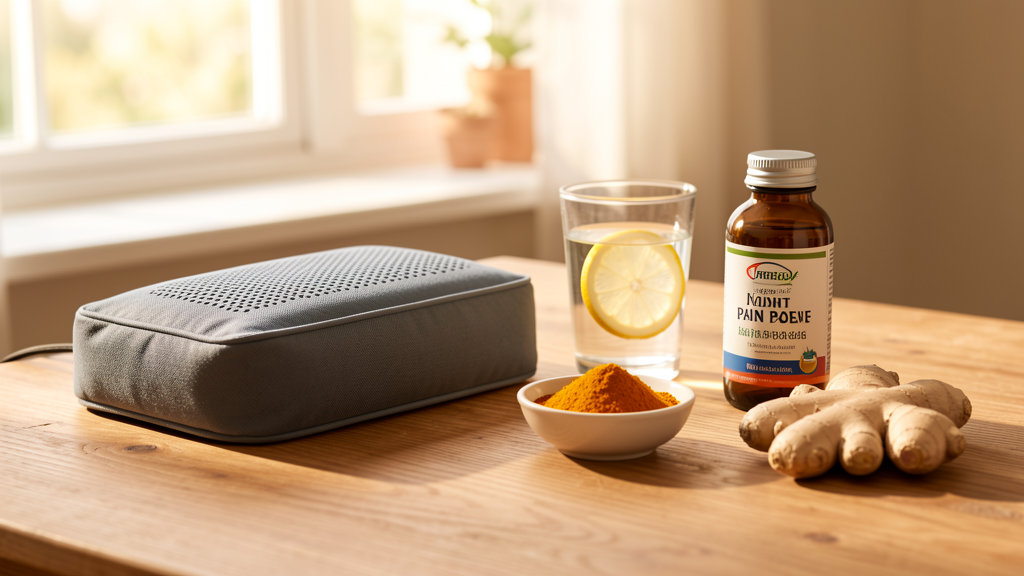
If you are wondering what the best natural remedies for joint pain after 40 are, the most effective options typically include regular movement, anti-inflammatory foods, heat therapy, quality sleep, and targeted supplements. While there is no single cure, these strategies can help reduce stiffness, improve mobility, and support long-term joint health.
This article is for general education and is not medical advice. If you have persistent or worsening joint pain, see a healthcare professional — especially before changing your diet, exercise routine, or supplements.
Quick Answer: What Works Best
The most effective natural strategies for joint pain after 40 usually combine gentle, consistent movement, anti-inflammatory foods, weight management, heat or cold therapy, and targeted supplements. There is no single cure, but these remedies work together to reduce joint stiffness naturally, support joint health after 40, and help you maintain the mobility you need for everyday activities.
Why Joint Pain Becomes More Common After 40
Aging brings gradual changes to the joints. The cartilage that cushions your bones thins, the synovial fluid that lubricates joints becomes less abundant, and the tissues around joints may lose some elasticity. Tendons and ligaments shorten and lose hydration, which can limit your range of motion. Years of movement, exercise, and sometimes minor injuries accumulate.
These changes do not automatically mean constant pain, but they do mean that joint maintenance becomes a more intentional part of daily life after 40. Inflammation is another key factor. Low-grade, chronic inflammation can irritate joints and surrounding tissues, making pain worse and prolonging recovery after activity.
Lifestyle factors such as diet, stress, sleep quality, and body weight all influence inflammation levels. Many adults find that managing inflammation naturally is one of the most powerful steps they can take for joint pain relief naturally.
Gentle Movement and Exercise
One of the most helpful natural remedies for joint pain after 40 is also the simplest: keep moving. Joints are designed to move, and regular, gentle motion nourishes cartilage, maintains range of motion, and strengthens the muscles that support joints. When you avoid activity because of pain, the surrounding muscles weaken, which usually makes the joint even more vulnerable. For ideas on staying active without overdoing it, see How to Stay Active After 40 Without Overdoing It.
Walking and Low-Impact Cardio
Walking, swimming, cycling, and water aerobics are all excellent options. These activities raise your heart rate without subjecting joints to the repeated impact of running or jumping. Aim for thirty minutes most days of the week, and break it into shorter sessions if needed. Consistency matters more than intensity when your goal is joint health after 40.
Strength Training
Stronger muscles take pressure off joints. For the knees, exercises like wall sits, leg presses, and step-downs build quadriceps and glute strength. For the hips and lower back, bridges, clamshells, and bird-dogs help. For the shoulders, rows, band pull-aparts, and wall slides maintain stability. Even light resistance training twice a week can noticeably improve how joints feel during daily activities.
Stretching and Mobility Work
Gentle stretching after activity keeps tissues supple and can reduce joint stiffness naturally. Yoga, tai chi, and basic dynamic stretches are especially helpful. Focus on slow, controlled movements that move joints through their full range. If you experience morning joint stiffness, a short morning mobility routine can set a better tone for the entire day. Learn more in Simple Morning Stretches for Tight Joints.
Anti-Inflammatory Foods and Nutrition
What you eat affects how your joints feel. An anti-inflammatory eating pattern reduces the chronic irritation that can worsen joint pain over time. This does not mean a rigid diet; it means choosing foods that calm inflammation and avoiding those that tend to crank it up.
Foods That May Help
Fatty fish such as salmon, sardines, and mackerel provide omega-3 fatty acids, which have well-documented anti-inflammatory effects. If you do not eat fish, a high-quality fish oil supplement can help. Colorful fruits and vegetables, especially berries, cherries, leafy greens, and cruciferous vegetables, contain antioxidants that protect joint tissues. Turmeric and ginger are spices with active compounds that may reduce joint pain and swelling. Olive oil, nuts, seeds, and whole grains round out an eating plan that supports joint health after 40.
Foods That May Worsen Inflammation
Refined sugars, white bread, pastries, fried foods, and processed meats tend to increase inflammatory markers. Everyone is different, so pay attention to how your joints feel after eating certain foods. Some people also find that excess alcohol, caffeine, or very spicy foods aggravate symptoms. Keeping a simple food and symptom journal for a few weeks can reveal patterns that are easy to miss.
Heat, Cold, and Topical Relief
Thermal therapy is one of the most accessible joint pain relief naturally strategies. Heat relaxes tight muscles and increases blood flow to the area. Try a heating pad, warm towel, warm bath, or shower before gentle movement or stretching. Cold reduces swelling and numbs sharp pain. For guidance on using heat safely and effectively, see How Long Should You Use a Heating Pad for Morning Stiffness? and Best Heating Pads for Back Pain Relief.
A cold pack wrapped in a thin towel applied for ten to fifteen minutes can calm acute flare-ups. Many people alternate heat and cold, starting with heat to loosen stiffness and following with cold if swelling is present. Topical creams, gels, and patches containing menthol, camphor, capsaicin, or diclofenac can provide temporary relief for surface joints such as knees, hands, and shoulders.
These do not fix the underlying problem, but they can make movement more comfortable while you work on longer-term solutions.
Supplements That May Support Joints
Supplements are not a substitute for good movement habits or nutrition, but some can complement a joint-support plan. Always discuss new supplements with a healthcare provider, especially if you take medications.
Glucosamine and Chondroitin
These two compounds are building blocks of cartilage. Some studies show modest improvements in pain and function, particularly for knee osteoarthritis, while others show smaller effects. They are generally safe and may take four to eight weeks to show benefits.
Turmeric (Curcumin)
Curcumin is the active compound in turmeric with strong anti-inflammatory properties. A daily dose of five hundred to two thousand milligrams of standardized curcumin extract may help reduce joint discomfort. Look for formulations that include piperine, or black pepper extract, which significantly improves absorption.
Omega-3 Fatty Acids
Fish oil or algae-based omega-3 supplements provide EPA and DHA, which help regulate inflammation. A common dose for joint support is one to three grams combined EPA and DHA per day. Some people notice improvements in morning joint stiffness after several weeks of consistent use.
Vitamin D and Calcium
Vitamin D supports bone strength and immune function, both of which relate to joint comfort. Calcium is important for bone density. Together, they help maintain the skeletal frame that joints depend on. Many adults over 40 have suboptimal vitamin D levels, so testing and correcting deficiency can be a meaningful part of a joint health plan.
Weight Management and Joint Stress
Carrying excess body weight increases mechanical stress on weight-bearing joints such as the knees, hips, and lower back. Even a modest weight loss of five to ten pounds can noticeably reduce joint load and improve pain levels. More importantly, body fat itself produces inflammatory chemicals, so losing weight also reduces the biochemical irritation around joints.
How to relieve joint pain after 40 often starts with simple weight management strategies: smaller portions, more vegetables, lean protein, regular walking, and adequate sleep. These habits support weight and also directly reduce inflammation, creating a positive feedback loop for joint health.
Sleep, Stress, and Recovery
Sleep is when your body repairs tissue and regulates inflammation. Poor sleep increases pain sensitivity and makes it harder to stay active and manage stress. Aim for seven to nine hours of consistent sleep, and pay attention to sleep hygiene: cool, dark room, limited screen time before bed, and a regular schedule. For more guidance, see How to Sleep Better Naturally After 40.
Stress also raises cortisol, a hormone that promotes inflammation when it stays elevated. Chronic stress can make joint pain feel worse and slow recovery. Gentle practices such as deep breathing, meditation, progressive muscle relaxation, or spending time outdoors can lower stress levels and indirectly improve how your joints feel.
When Natural Remedies May Not Be Enough
Natural strategies can support joint comfort, but they have real limits. If pain is steadily worsening, interfering with sleep or daily tasks, or accompanied by swelling and warmth, it may signal something more than routine wear. These approaches work best as part of a broader plan — not as a reason to delay care that you need.
When to See a Doctor
Natural remedies are a great starting point, but certain signs warrant professional evaluation. See a doctor if joint pain is severe, lasts more than a few weeks without improvement, is accompanied by significant swelling, warmth, or redness, or if you are unable to bear weight or use the joint normally. A clinician can rule out infections, autoimmune conditions, fractures, or other causes that need specific treatment. Getting a clear diagnosis also helps you tailor the right combination of remedies for your situation.
Frequently Asked Questions
Can joint pain after 40 go away naturally?
Joint pain can improve significantly with consistent natural strategies, especially when it is caught early. Many adults find that movement, diet changes, weight management, and stress reduction together reduce pain enough to avoid medications or surgery. However, not all joint pain completely disappears. The goal is often to reduce pain to a manageable level, maintain function, and slow further joint changes.
How do I reduce morning joint stiffness naturally?
Morning joint stiffness is often related to inflammation and reduced synovial fluid circulation overnight. Gentle movement first thing in the morning is one of the most effective ways to reduce joint stiffness naturally. Try a short routine of slow stretches, gentle joint circles, or a warm shower before starting your day. Anti-inflammatory foods and omega-3 supplements may also help by lowering overnight inflammatory activity.
What is the best exercise for joint pain?
The best exercise for joint pain is the one you can do consistently without sharp pain. Low-impact activities such as walking, swimming, cycling, and tai chi are excellent because they improve circulation, strengthen supporting muscles, and maintain range of motion. Strength training is also important because stronger muscles absorb shock and protect joints. Avoid high-impact movements if they cause pain, but do not avoid all activity. Movement itself nourishes cartilage.
How long does it take natural remedies to work?
Some remedies provide short-term relief quickly, such as heat or cold therapy or topical creams. Others take longer to show results. Exercise and strength gains may take four to eight weeks to noticeably change how your joints feel. Dietary changes and supplements such as curcumin or omega-3s often need at least four to twelve weeks of consistent use.
Be patient, track small improvements, and give each remedy a fair trial before deciding whether it works for you.
Are natural remedies better than pain medication?
Natural remedies and pain medication are not necessarily either-or choices. Many people use both, depending on the situation. Natural remedies tend to carry fewer side effects and address underlying factors such as inflammation, weakness, or stiffness rather than just masking pain. Pain medication can be useful for flare-ups or severe pain. A balanced approach uses natural strategies as the foundation and turns to medication when needed, under the guidance of a healthcare provider.